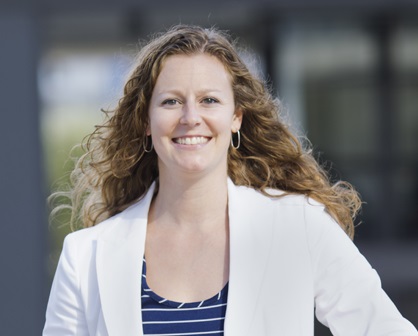
In this episode John has a conversation with Alene Gabriel, certified coach and founder of Blue Sky Coaching. John and Alene met at CTI’s Co-Active coaching training and took a few of the classes together.
In this conversation they reflect on those experiences and the things they are learning as coaches. Alene also shares her experiences from CTI’s Leadership program that she is currently in the midst of.
Podcast: Download
Subscribe: Apple Podcasts | Android
Conversation Highlights
- Our biggest surprises from the CTI coach training
- Choosing who to be instead of defaulting to how we always respond
- What CTI’s Leadership program teaches about the leader within
- Noticing the thread underneath what a client is saying, even when it isn’t named
- Trusting intuition: you don’t have to be right
- You don’t need to hear the whole story to coach the person
- “Slow is fast”
- When a client asks you to “turn up the heat”
- Rapport and finding a coach you feel you can trust
Related Episodes
- Enable Your Board of Advisors & Fight Your Inner Critics (32) — Alene and I on inner critics and a board of advisors
- Taking a Break & Experimenting with Self-Employment (38) — Alene’s leap into self-employment
- Getting a Coaching Session Back on Track (87) — getting a coaching session back on track
Credits
All songs licensed under Creative Commons
Transcript
This transcript was created automatically and may contain small errors.
John: Alright, today I thought we’d try something different, and we have special guest Alene Gabriel. Hello, Alene, how are you today?
Alene: Hi, John, I’m great. How are you doing?
John: I am doing well. So Alene and I met in March, I think, of 2016 in a coaching class led by CTI. I think it was Fundamentals. And the rest is history. Eileen is a certified coach, as am I. And we were talking, I guess, about a month ago, I was— we were catching up and talking about the exam and how easy it was going to be, which it was. Mm-hmm. And you also mentioned that you’ve gone on to do more CTI training. So tell us a little bit more about that. I think it’s leadership. Is it leadership? Is that the name or is it something else?
Alene: Yeah, yeah. So it’s CTI’s leadership program, which is so far kind of a groundbreaking experience for me. I mean, life-changing. I’ll just go ahead and go dramatic and say life-changing because it is. So that’s been a really cool follow-up to the coaching courses, which also really had a big impact on my life aside from just being great courses that taught me new coaching skills that I really appreciated.
John: Some people hear the word leadership, at least when I first did, I would think like horrible stuff from corporate America where everyone’s a leader or there’s a leadership program. It’s just
Alene: kind of like—
John: PowerPoint decks. Yeah, roll of the eyes. Like, of course everyone’s a leader. Like, why do we need a class on this? So, and this is more than a class. Like, this is a full-on, like, year-long experience. Is that right?
Alene: It is. It lasts over 10 months and it has 4 retreats. Each retreat is about a week and you’re with the same group and the same leaders throughout. It’s really unique. There is no PowerPoint. There are no handouts. So, it’s different than sort of what I call traditional training.
John: Which was my biggest surprise from the CTI, from the coaching training.
Alene: Yes. Yes,
John: I remember walking in. I remember it was at a hotel. And so I was like, okay, there’s going to be the tables with the tablecloths and little plastic pitchers of water and the cookies
Alene: in
John: the back. And instead the chairs are in a horseshoe. And I was like, oh no. Like, where’s— yeah. And there were like hardly any handouts. So yes. And it was very experiential. So, ’cause so continue. So Yeah.
Alene: So, how does it work? Very, very similar in that it’s really experiential. And then, there’s a lot of debrief and discussion. And, the experiences and the activities and the events and various things that you do are meant to put you in situations that help you see the way that you are, the way that you act, the way your defaults are. And then, you discuss with one another and then you work on, okay, what do I want my new ways to be instead of just defaulting to, well, this is how I always respond. And the other amazing thing about it is it talks about leadership from different places. So, a lot of times, we always think of leaders as the person in the front of the room talking, or the person up on stage, or if you call a meeting, it’s the person who called it. And one thing that they bring up that I really like is everyone is responsible for outcomes. So, even if you are— I love that. Yeah. Even if you are—
John: Especially your own outcome.
Alene: Yes, your own outcome and that of the room or whatever reason you’re gathered. So, if you’re in a room and the leader of the meeting is up at the front facilitating and asking questions and whatnot, and you’re kind of not getting where you need to go, they purport that your responsibility is still for you, still lies with you to say, hey, we’re not getting there and we need to. What’s the thing that needs to get done? And, if it’s not getting done, you do it. Because you are a leader in that room too.
John: Wow. So I was a leader in those classes where I was constantly saying, I have no idea where we’re going. I was a leader and I didn’t know it.
Alene: Yes. Yes. And actually, you know, that honestly, it does play an important role because there are people who don’t understand things and they don’t speak up. And so having someone who doesn’t understand it or maybe is saying like, okay, I hear what you’re saying, but this This isn’t hitting home, you know, and ask the question. It digs deeper on the material. So, you are facilitating us getting to the point where we understand and are living and breathing it in the way that’s authentic to you.
John: That’s so funny. Yeah, so, just a side note here is I somehow developed the reputation in these classes that— and I think we did 2 or 3 of them together. There’s a total of 5.
Alene: Yeah.
John: I did, I think, 4 of them with a core group of people and then I had some other things happen and I came back and finished the last one. But yeah, I had this reputation as kind of the guy that, I don’t know, well, I think it was that I was a little skeptical, like, does this work? And a lot of times I just wasn’t following. And yeah, I don’t know, maybe for one of the— maybe it’s being older too. I was just like, I’m not getting this, so I’m just gonna say something. And inevitably I would have people come thank me privately later, like, Thanks for saying you had no idea what was going on. I didn’t even know what to ask.
Alene: Right.
John: It’s like, I don’t know, what’s there to lose here? So interesting. So basically saying that you don’t know where you’re going or that you think that maybe you’re off track is a way of being a leader.
Alene: Yeah, absolutely. That’s your participation in the group and your way of serving the group to get us to the place that we need to go. And if you’re not there, then the group isn’t there. Right? Like, just because some people are there or some people get it doesn’t mean the group gets it. And if the point is for the group to get it, then you’re facilitating making that happen.
John: So what does this look like? So when I think leader, leadership, I think a group. And I think last time we checked, we talked, you know, you are running your own business, so you’re a group of one, kind of, right? So what is— what, what does this look like there?
Alene: Yeah, that’s— it’s an interesting question for me now especially. So I had a corporate background where it was a little more obvious, you know, being a leader with a whole team. And you’re right, now it’s me with my business. And I think about it more broadly than just business. I mean, I really think about leadership in terms of the community, the world, and leadership being with any group of people you’re with, even if it’s one other person. And, in some ways, and I haven’t totally figured through this, but in some ways, there’s something about leading yourself and how you get from place to place. And, of course, that’s a little bit what we do with coaching, right? It’s helping our clients get to the place they want to go. But, I do think about that a little bit in a leadership capacity, which is like, who is the leader I want to be and how am I being that even when no one is around me, no one is watching, and no one is
John: So, when you’re going to the grocery store, are you asking yourself like, how am I a leader at the grocery store? Or like, what’s the simplest level this applies to?
Alene: Yeah. So, you know, one of— on the first retreat, we talk about the leader within. So, that’s the one— that’s how you show up and when you’re at your most compelling. And so, when I think about this in terms of just me on my own, It kind of starts with how I show up in any moment because also we take cues from ourselves, right? There’s a psychology principle and I want to say it’s cognitive dissonance maybe. Don’t quote me if I’m wrong. But, the one where if you smile, your body sort of reacts as though you’re happy. Or, if you’re sad or crying, your body kind of pulls down. I used to have a trainer who would say, don’t grunt and make those noises like, ugh, when you’re working because your body hears that and goes, oh my God, I’m suffering, and then it starts to pull in. So, sort of to that point, I think about it as, am I really being in whatever moment I’m in? Am I really here right now or is my mind somewhere else and I’ve sort of lost track of who I’m being in this moment? Or, am I really here and how am I showing up? And then, when you come across another person, it’s kind of a difference of whether you sort of offhandedly notice them, you flicker your eyes over and see them and keep going, or do you really see them and maybe you smile because there’s another human being in front of you? So, it’s a little bit small on that level, but I do think it’s important.
John: Sounds very intentional too.
Alene: Yes, yes. And I do think it’s a lot about intention and presence. So, being exactly where you are to notice, to experience what’s going on. And I think that goes a long way, like a surprisingly long way.
John: So what have you— what are you willing to share in terms of maybe some big changes or surprising changes or new ways or what’s different?
Alene: Yeah. Yeah. So there are a couple of things that I’ve— that really got opened up for me, like the light shone on it and I went, oh, I guess I better address that dark corner. And one of those things is asking for help. And, that’s something that I think across the board people tend to have trouble with, but it also comes in the form of saying what we need or saying what we feel. So, it kind of encompasses all those things. And, I’ve noticed one thing. So, for one, I’m an only child. And, for two, I think our view of leadership in this country is often one leader, a sole person. And, that’s the way militaries are. It funnels up to someone at the top. Yeah. We have that kind of leadership in most businesses, you know. And so, I think for a long time, I had this built-in but not necessarily conscious idea that I had to go it alone. Like, if you’re a leader or if you’re up front, like, you’re by yourself. You have no support. It’s up to you. You got to do all the work. And I think it’s important to pull your own weight for sure. But what I’m starting to notice and realize from some of the work is There’s so much connection that happens when you work with other people, when you ask for help, when you accept help, when you say what’s going on, when you put something out there in the space that is so liberating for yourself and it’s so inviting for other people to be part of something. And so, something I’ve noticed for myself kind of interesting is at various times I’ve felt rather lonely. I mean, of course, being an only child, I have no siblings around. But, Also, just as you’re going along and maybe you’re achieving things or you’re working hard and struggling and you feel really alone and you— so you don’t ask for help because you think you’re not supposed to do it, but not asking for help makes you feel more alone. It’s just like this weird cycle. So that’s been a really important uncovering for me.
John: So asking for help actually breaks the cycle even though it feels totally counterintuitive.
Alene: Yes, and like anything else that you’re learning for the first time, It’s always going to feel awkward and weird at first, and many people, when that happens, they take that as a sign that you should stop doing it. And so that’s sort of the crux of really taking that growth, is feeling uncomfortable, feeling awkward, and saying, okay, I’m going to keep doing it.
John: So what got you interested in coaching?
Alene: So I was in the corporate space for over a decade. And I really enjoyed my work. I worked in market research. And I noticed towards the latter part of my career, latter half, I’d say, my favorite days were when someone would just pop into my office and say, hey, do you have a few minutes? And I always knew it was going to be something important. Maybe not important to me, but it was going to be important to them. And so, therefore, it was important that we had this conversation. And I really appreciated that people would come to me who weren’t even on my team, didn’t report to me, etc. And it was meaningful to see how things changed for them, just talking things out and working through stuff with another person. And it wasn’t always coaching, you know, some of it was more mentorship or consulting, you know, giving them some solution ideas or brainstorming, which is not necessarily coaching. So, I loved that part the most and I wanted that to be much more of my work. And, you know, as my job was, you know, that was 20%, 30% maybe. I wanted it to be— well, at first, I wanted it to be 100%. So, you know, I said, this is kind of what I’m feeling really like called forth to do. So, I started my business. And, kind of with the idea that I’d start it on the side and work into it eventually. And then, it just sort of worked out with some things that were going on in my company at the time that it was a good time for me to part ways. And so, I just went full-time into the business and I still love the coaching. And, through leadership, I’m discovering a few other areas that I also really love and feel like I have a big impact. And, I’m sort of envisioning down the road that my business is going to be more than only coaching. So that excites me now.
John: What are some of those other things?
Alene: Yeah. So something I love is being in groups where, you know, there’s a lot of discussion going on. People are talking about ideas and moving things back and forth, maybe trying to problem solve, maybe trying to work through a scenario. And one of my— I’m going to call it a superpower— is I can hear things in the room that aren’t being said, or a thread that’s kind of existing in what’s being said without actually being called out and called out in a way that moves the conversation forward or jet propels it to a new place. And I love doing that. Like, I’m not a big idea person. I’m not someone— I would never be an inventor necessarily because I’m not the one who goes, oh, you know what we should have is something that does this. But I have sort of a unique ability to You know, cut through some of the muddiness that happens in, especially just with group dynamics, and get to the core of the issue. And so, I love being in those kinds of spaces. So, I’m experimenting now a little bit with boards, you know, being in a room full of people on a board. So, that’s sort of an example of a group where there can be really different perspectives and people need to come together or want to you know, come together on something. But I’m also looking to experiment with a couple other different kinds of groups just to kind of see what the impact is in those groups. But that’s something that I’ve really noticed, especially in leadership where I’m in a big group.
John: What do you look for? And the reason I’m curious on this— so just as a side note, in a lot of the CTI class, in the, in the coaching classes, it was not unusual for the instructors to periodically check in and say, So, what is the energy in the room? Or what are people sensing? And that was— I was always at my most lostness at that point. They’d start to be like, so, what is the energy in the room? And inevitably, somebody would be like, well, it feels like— it feels kind of somber, and I’m sensing some weariness. And I’m just like, I just need a break. Like, where are you guys getting all this stuff? Right. So what do you— when— and I think my vague recollection is you had a pretty good sense of that too. When you’re in those situations, those situations and then these other ones that you’re exploring now, what are you looking for? Like, I know it’s a superpower, maybe it comes kind of naturally, but what would you recommend to someone like me that feels like it’s not a superpower?
Alene: Yeah. I think the thing that makes it a superpower is being aware of it and being able to consciously use it. So, this is actually something, as I was going through coaching, you know, it’s like intuition. We all have intuition. But I think what coaches are able to do is actually hone that as a skill, not just as something that we accidentally stumble upon. And similarly, I’ve always been really sensitive to what’s going on in a room, like what’s being said, what’s not being said, what are the undertones. When is someone saying something and they actually have something else to say, but they can’t quite get it out? And I think some of the skills I’m developing are to be able to kind of recognize that because I used to just sort of react to it based on what was going on inside. And now to actually sort of consciously notice that and articulate it or communicate it in such a way that calls forth more and pushes in a new direction. You know, it doesn’t shut people down. It doesn’t scare people or make them nervous or make them pull away. I mean, not always. And how do you do that? Yeah, it’s, uh, it’s— it gets back to noticing, right? So noticing when— so for me, I feel a lot in my gut or my stomach. So like it gets kind of tingly or it tightens or my shoulders tighten. So sometimes it’s noticing physical things that happen. Other times, it’s a little bit of self-management, which of course we learn as a coaching skill, which is to put my own stuff to the side and my own thoughts.
John: Which is so hard.
Alene: Yes. Right. And, that’s why it’s a skill because, I mean, you have to work on it and develop it because it is, our natural thing is to think about how does this pertain to me.
John: So, cut, cut. I want to go back to one thing you mentioned about intuition. I think one of the— I remember one of the instructors, I think it was in my certification pod, said, you know, intuition is— our intuition is never wrong, but our interpretation can be wrong.
Alene: Mm-hmm. Yeah.
John: And I thought that was really interesting, which is— and the notion there was Yes, you may be getting kind of an intuitive sense or an intuitive hit. I don’t know what that— that phrase always bugs me. But you might be getting an intuitive hit. And, but it’s not— and so people often think, well, you know, if I just say what I think that it means, then that’s my intuition and my intuition can never be wrong. And I thought it was really fascinating that no, there’s the nuance there is the intuition is that you recognize something’s going on, but it’s your interpretation could be wrong. And this is what I thought was fascinating in our training and in my own experiences. Just blurting out, hey, I’m just having this intuitive sense that maybe this, often sets up the stage for something totally different.
Alene: Mm-hmm. Yeah.
John: And so it doesn’t have to be right.
Alene: Exactly. And that was something that I really got from the coach training, which is, you know, you throw it out there and even if it’s wrong, sometimes it gives the client something to bounce off of or to say, no, it’s not that. this, because you’ve articulated something. Yeah. Like I’ve often said for myself, I’m usually a better editor than creator, because I can kind of— like once something’s created, you can see a form and then you can work with it and mold it. But if you have to kind of be the one to create it in the first place, that’s where some clients struggle. They can’t articulate something or they don’t know what it is. And if you put something out there, they can say like, no, that doesn’t sound right, or yes, that does, or, you know, whatever it is.
John: No, it’s kind of funny. One of those classes, I met someone that said that their gift was getting it wrong. That with their clients, 9 times out of 10, they were wrong, but their wrong assertion, like, almost inevitably led to what was really going on or, like, what was true for the client.
Alene: Yeah.
John: That’s always kind of stuck with me.
Alene: I know, and I’ve heard a similar story where a coach, you know, at the end when they were completing with the client, The client said, wow, you just, you really understand me and you seem to get a lot about me. And the coach was like, but I’m always wrong. And the client said, but you keep throwing things out there and we get there. And so it’s true, like, you don’t have to be right. And we need to throw away being right because it’s not about us, right? It’s about whatever is resonating with the client or whatever moves them forward. And mostly they have the answers, but we’re just kind of peeling back the things that are getting in the way of them seeing it.
John: Right, right. So this, this is probably like a natural transition. I thought it would be fun to talk about 3 things for each of us that have surprised us or that we’re learning from coaching. Yeah. And the, the broader takeaway to hear for listeners is I don’t think you have to be a coach for these things to still be true and potentially interesting to you too, which is why I wanted to share them. I think that they can They may be realizations that Elaine and I are having, but they can also, I don’t know, hopefully be interesting or profound to you too.
Alene: Yeah.
John: So, do you want to go first or do you want me to?
Alene: Sure. Yeah, I’ll start. You know, it’s interesting. I brought this up from the leadership perspective, but this is something I noticed earlier on with my clients, which is the variation of asking for help, which is saying— speaking your truth. So, what I learned from my clients is how much we hold back. And, of course, hearing them hold back on speaking the truth, whether it’s for themselves or for someone else, sort of spotlights where I also don’t speak the truth about my experience or my perspective and so forth. So, it’s interesting that when you talk to your clients, a lot of times what’s going on with them will highlight A similar issue that’s going on with you.
John: Mm-hmm. Yeah. And so mine kind of dovetails off that in terms of what’s going on for them. One of the most interesting things, and I’m going to caveat all this by saying I’m a storyteller. So the storyteller in coaching kind of gets a bad, or at least in my certification pod, it got kind of a, it was kind of a, I don’t know, a negative thing. And so storytelling, just to be really clear, ’cause I think I have a client or two that listens to this. Um, so storytelling is basically telling a long narrative about something, but not really, but focusing and being really enmeshed in the narrative. And it’s really fun in working with my own coach, ’cause I get busted all the time. It’s like, you know what? And she’s really slick and smooth about You know, in our training, they called it bottom lining. So like, what’s the, you know, could you bottom line? I don’t know that we ever said, what’s the bottom line here? But it was more like, you know, could you, they say very great, you know, could you kind of bottom line this? Yeah. And so what I learned, and this was one of my instructors said this, was you don’t have to hear the story to coach the person, or you’re not coaching the topic. You’re often, the overall goal is helping the person move forward in a new way. And so this was fascinating to me that, That often in kind of talking to people and saying, okay, without going into the details of this interaction or this situation that’s making you really sad, what is the essence of what’s going on here? And finding that like we can do amazing work by them kind of summarizing the essence. Right. And in a 45-minute session, that can save a lot of time and make room for like way more valuable things than, you know, a 10-minute story about, you know, how this happened to me and then this person did this and then I did that. And what I’ve also realized too is sometimes when I’ve told all those stories, like, there’s something cathartic about, I guess, maybe sharing the story, but ultimately you don’t get any satisfaction from it in the end. You don’t really get that until you like really deal with like the underlying essence of what the story is all about.
Alene: Yeah. Or there’s something to dig out about What’s important about telling the story from the client. You know, sometimes it’s sort of an indicator, like, they don’t feel justified, or they need to feel justified in how they feel. And just being there and justifying, hey, you feel sad. It doesn’t matter what was it that made you feel sad, or whether anyone else would agree that you should feel sad. You do feel sad. So let’s be sad.
John: Right. Yes. Yes. Exactly. Alright. What’s your next one?
Alene: So clients constantly remind me that we are our biggest limiters. Like the limits we put on ourselves, um, are, are the biggest limits that we have. And so they are always reminding me to dream bigger, to not look at those hurdles and go, oh, well, I guess I shouldn’t do this. It’s so easy when you hear somebody else doing it, you think, bat that away, jump over, keep going, that’s not important. And then when it comes to yourself, you know, we fall prey to the same stuff and so they’re good reminders that, you know, those are hurdles of my own making and I can just push them aside and keep going.
John: We didn’t plan this but that totally ties into my next one too. I have no idea what yours are either. This is what’s making this fun. So my second one is that clients keep me honest and that they’re inspiring. In other words, so if a particular client has taken on a particular challenge or they’re committing to do something and it’s like, oh my gosh, that’s way beyond anything I’ve ever tried. Yeah. I will find myself in similar situations thinking, oh my gosh, like this person, in fact, this comes up fairly frequently with me these days. Some— I’ve had a few clients that are like, I will wear the red baseball hat if I don’t, you know, I’ll wear, you know, Make America Great Again. I’ll wear that hat for a whole day if I don’t do my homework or if I don’t get my stuff done.
Alene: Wow.
John: I was like, wow. So they’re willing to commit like to that deep of a level or willing to send a check, like write out a check to the foundation and they’ll, you know, they’re gonna send that check if they don’t do this thing. And so I’ve been really inspired. It’s like, Wow, if they’re willing to commit to that level to do these things, like, why am I not?
Alene: Yeah. Oh man. That’s it. That’s a good one. I know what you mean. It cuts through the mud, you know, gets at the heart.
John: Alright. What’s your third one?
Alene: So my third one is something that they taught us in the coaching courses. And I heard it from my own coaches a number of times and it just keeps coming back. So, clearly, it’s something that I’m supposed to take something from, which is slow is fast. And they’ve said that before in, you know, you’re not trying to rush to get your client somewhere, right? Like, you’re trying to dig in with them and be with where they’re at and invite expansiveness. And that has been an interesting piece for me in watching what happens when you slow down. You don’t try to just move to the next question. But just be with where they’re at, sometimes even just being silent. And also for myself, when I go about my life, I mean, even just today, I sort of set this intention to make space this week because I was noticing my calendar was looking really full, a lot of different things going on. And there needs to be some spaciousness and a little bit of slowdown and some ease. And so much more meaningful stuff gets done when you go that route instead of just bing, bing, bing, trying to tick things off your to-do list and move on to the next thing and get to this appointment and that. And then you’re kind of not really living your life. You know, you’re just racing from one to-do to the next. So that’s been a big lesson for me.
John: And that is an interesting thing because, again, in the context of coaching, and I felt this way as a client too, like, I’m paying all this money and we’re meeting every week and— or not every week, we’re meeting, you know, several times a month and I’m not getting anywhere.
Alene: Right.
John: In fact, this actually ties into my third one, which is speaking up when something isn’t working.
Alene: Oh yeah.
John: So one of the big— I’ll just go to it now. So one of the big ideas around the coaching that we were trained in is that it’s about personal transformation. It’s about being transformed as a person. It’s not about— yes, it’s about getting that thing that you want to get done or achieving that thing that you’ve never been able to achieve or whatever, but it’s really about being transformed as a person, showing up differently. And showing up differently is kind of a lot of work. Yeah, right. It’s not an overnight process. And so, this is so funny. So, early on in the certification, we were talking about this. And so, I took it to my coach and I said, you know what? I don’t feel like I’m being transformed in this coaching. Wow! This is supposed to be transformational. And it was totally scary because I was like, well, okay, you know, the guidelines here are you need to speak up when something isn’t working. You’re supposed to speak up as soon as it’s not working or whatever, because the longer it goes on, the worse it gets in terms of trying to fix it. And so I thought, well, I guess I’ll really try this out. And so I said, you know, we’re talking about transformation right now and I don’t feel like I’m being transformed. And so she said, so you want me to turn up the heat?
Alene: Oh my gosh.
John: I was like, oh, well, let me, let me think about that.
Alene: Called forward.
John: Yes. I was like, I was like, ooh, hmm.
Alene: Yeah.
John: She’s like, you know, because, because when, at least when you’re in certification, you’re kind of doing, or at least in my coaching, it was like some mentoring, some coaching, because the, this, you’re required to have a coach as part of the certification process to kind of practice what you’re learning and all that. And, and it kind of turns into some mentoring moments. And so, so this was great because I had been I think ours had been like 2/3 coaching, 1/3 mentoring. And so she said, so you want me to turn up the heat? Maybe we take all this mentoring stuff and we make it the last 5 minutes. Other than that, it’s just going to be hardcore coaching.
Alene: Wow. What do you
John: think of that? Whoa. And I was like, I’ll get back to you. So I like that because I’m never— I’m rarely one to like commit on the spot. I came back the next week and I was like, okay, turn up the heat. Let’s do this. It sounds scary, but that’s the whole point of this. And wouldn’t you know? Oh, it was again, not overnight, but it was a couple months, 2, 3 months later. I was in a really difficult situation at work. And I realized that I was showing up totally different. And in me showing up totally different— Wow. it changed some of the dynamics in some big, scary, and ultimately positive ways.
Alene: Yeah.
John: And so, so I went back to her and I said, okay, I’m being transformed. I’m seeing it.
Alene: It’s so interesting what you point to though, which is, and this is why I think a coach can be so helpful, is we as individuals have those moments where like, I want transformation. I want things to be different. I want my life to be different. And then someone goes, okay, I’m with you. You’re ready? And you kind of go, Oh, uh, wait, wait, wait.
John: No, no, I prefer the status quo.
Alene: And if you don’t have someone there who’s pushing you or holding you accountable to that longing, to that desire that you’ve expressed, it’s so easy to lose momentum.
John: Totally, totally. In fact, I want to sneak in one more. You can, if you want to. Yeah. Um, so in terms of accountability, there’s been a really interesting learning too. So people often think, well, I need a coach so that I have someone to be accountable to. And I’m not taking— I know you’re saying it in kind of a different way, but I think the normal way is like, well, they’ll be accountable. So, it’s like, they’re going to make sure that I do my homework.
Alene: Yeah.
John: And that’s what took me a while to kind of wrap my head around was because a lot of the CTI training was like, the homework is really not important.
Alene: Right.
John: Whether someone does the homework or not is not important. And I was like, what do you mean? Like, I’m a project manager. You got to meet milestones. Every milestone is important, or at least most of them. And they’re just like, well, we didn’t GA on time. Oh, well. And I’m like, but how can this be? But coaching is a little different than shipping software, which is what I do. Sure. But what I learned was, and I thought it was fascinating, I’ve seen this with several clients, is so like week after week after week, the homework doesn’t get done. And finally we started heading in the direction of like, what does this mean? What is this telling us?
Alene: Yeah.
John: And in some situations it’s like, oh, we were signing up for the homework that we were supposed to have.
Alene: Uh-huh. Yeah.
John: Or we were doing this thing we were supposed to do so that we would get this other outcome that we’re supposed to have.
Alene: Right. Or because my coach told me to, and so that’s why I did it. Yeah,
John: yeah. And so, so yeah, with some people I’ve even gotten to the point of like, are you doing this because it was one of the things we threw out in brainstorm? Are you doing it because you really believe in it and you really want it?
Alene: Yeah.
John: Or you really think this is the right path? And we’ve had a couple of them where it’s like, Yeah, I don’t know. I’m like, okay, well, the homework is to figure out the homework or something like that.
Alene: Right, right. Well, just like everything else, powerful questions, intuition, etc., it’s a tool, right? Because it unearths something, whether it gets them to the next step because it was really useful homework, or because they’re avoiding it because they’re scared of something, or they’re avoiding it because it wasn’t a good idea in the first place and it didn’t resonate with them. In whatever way it does, it gets us to the next layer of information.
John: Which I think is funny because I think at least my original assumptions and my notion was, well, it’s, it’s helping me accomplish my goal. That’s the whole point of this. The whole, you know, I want to buy— I want to, I want to start my own business. Okay, well, you know, you need to do these 50 steps to start your own business. We’re on step 7. Your homework for next week is to do step 8. Did you do it? And you’re not gonna do it unless your coach is holding you accountable. Like, it’s way bigger than that. I mean, it can— that can be a— that can be a component of it. But when it comes to like showing up totally different, it’s like, well, it’s way more powerful to get to a place where you’re showing up differently to do step 8 versus I just brute-forced my way through step 8.
Alene: Exactly, exactly. And, you know, to your point, some people in coaching do look for that accountability, you know, someone that they they’re going to have to check in with. And there’s something about us as coaches. I think some of the unique perspective we bring is our capacity to check in around the goal underneath the goal. Okay, you want to open your own business. What’s that about? Right. Is it actually a longing for freedom and travel and flexibility that doesn’t have to be building a business per se? You know, so we get to actually dig and dig and dig until we get to that deep-down thing that they deeply want, and it could actually have multiple forms.
John: Yes. And how often has someone shown up saying, hey, I want to do coaching around X today? By the end of the session, you’re talking about A, B, C through F.
Alene: Oh yeah.
John: And they’re like, oh, okay, so this is totally Yeah.
Alene: I mean, what I found on with most of my clients is the thing they first say to me when they come and say, oh, well, it’s kind of this thing that I want to work on, you know, that is usually involved in our coaching, but it ends up on the periphery. It’s almost never about the first thing that they talked about. But that was their entry point.
John: So as we wrap up, any Any other things you’re thinking or that have— I don’t know, our conversation has sparked, or maybe something you’re like, hey, we should go this direction next time we do this?
Alene: Yeah, I, I kind of loved that we just sort of moved in a couple different topics and sort of the connection of leadership and coaching, because I think, I think they really do go together. Coaching really sort of unearths what’s going on with you, and figuring yourself out is kind of one of the entry points, I think, into being a great leader. So, I think that was just sort of a really interesting natural connection there. So, I loved our chat. And, I think my takeaway just as we talk about this, and I sort of love this topic anyway, obviously. I’m in this work and I love it.
John: And, I didn’t even ask you what are you going away with today?
Alene: Yeah, yeah. Right? It’s just that’s what happens. It comes to you. And, even just hearing myself say the things that I takeaway from my clients and hearing yours reminds me of those things. You know, we need to— when something’s not working, we need to bring it up. When we need help, we need to put it out there. So just even articulating those things again, even though they’re there and I obviously called upon them because that’s present for me with clients, it’s a great reminder.
John: And I love that you touched on when things aren’t working. I don’t think I Finish my thought very clearly on that. The other side of that too is my experience has been, and this would be an encouragement to anyone that’s doing coaching or in a relationship with another human being, the longer you wait to fix something that’s not working, the harder it is to fix it.
Alene: Yeah.
John: So in other words, I’ve had situations where people have come back and said, you know, hey, there was this time, like so many sessions ago, when this didn’t work or this happened and that left me feeling this way. And it’s like, oh, wow. Well, first, I’m really sorry. Second of all, like, I don’t know how many other conversations I’ve had since then. Right. I don’t even remember what was like— too much time has passed that as much as I wanna make it right, I’m— it’s impossible because we can’t go backwards. And, and, you know, in some cases, the other person can’t remember those details either. And so,
Alene: right.
John: So seize the moment, be bold, speak up.
Alene: Yeah,
John: I guess that would be my encouragement, kind of like you were saying early on in this conversation.
Alene: Yeah, love all those things. Right.
John: So if people wanted to do coaching with you, learn more about what you’re up to, where would they find you?
Alene: Yeah, you can find me on my website. It’s blueskycoachingllc.com. And there’s a little bit about me, a little bit about my work, you know, testimonials, various things from people I’ve worked with. And there’s ways to get in touch with me on the website if you feel so inspired, but I’m out and about in the world.
John: Alright. And do you offer any type of like sample free try Alene out?
Alene: Yeah. I think it’s imperative actually. I wouldn’t sign up with a client if we hadn’t actually had that experience together, ’cause it’s really important for both of us to feel a connection and a fit. Because that’s really what you’re building off of when you hire someone as a coach is that rapport and you’re feeling that, okay, this is someone I can really get into this conversation and this relationship with. So, I do offer a session upfront where we do some coaching. We talk about what a program looks like. We dig into what the potential client really wants and see if coaching is even the right thing. Sometimes coaching is not actually what they need or want.
John: Mm-hmm. I would totally second that. In fact, if someone listening to this out there is looking for a coach and you encounter someone that will not do a free session with you, I wouldn’t work with that person.
Alene: Yeah.
John: I, I, I’m pretty firm. I’d be pretty firm on that. But you might be able to change my mind. But yes, I think that connection and knowing that ahead of time is important. And I would also— I can’t say enough about The training that we both went through. Anybody these days can call themselves a coach. And in some ways, that’s great. In other ways, maybe not so much. And so, my encouragement too, if you’re looking for a coach, would be, you know, I think there are some people that are naturally great coaches.
Alene: Mm-hmm.
John: And there are others, I guess, like myself, that went through a lot of training. And the training that we went through was rigorous. Yeah. So,
Alene: and I think it just brings a new set of skills. You know, I think we had natural coaching tendencies. That’s what led us to it. And people clearly saw us in that way. And we have a broader toolkit than, than if you don’t have training.
John: Right. Right. Alright. Well, thanks for chatting today. Hopefully we can do it again soon. Yeah.
Alene: Thank you so much for having me, John. I’d love to come back. This has been so much fun.

1 Pingback